Last updated on June 27th, 2026
This post may contain affiliate links. If you click through and make a purchase, I could earn a small commission at no extra cost to you. Thanks for your support!
Paris for first-timers is equal parts exciting and overwhelming. There’s simply so much to see, do, and experience that planning your first trip can feel daunting. But don’t worry, this ultimate guide to Paris covers everything you need to know to plan your trip like a pro!
The City of Light is one of those destinations that you either fall madly in love with… or you don’t know how to visit it properly.
If you don’t love Paris, you simply don’t love beauty. I said what I said.
But I do understand people who visited once and didn’t necessarily love it; I was one of those, too.
This came from arriving in the city unprepared. But after over five visits, and with our circus job currently keeping us in Paris for almost three months, I keep falling more and more in love with this city.
I’m aware that this feeling strengthens from the sense of knowing and understanding the city, the neighborhoods, how to move around, and overall being less scared of the Parisians—they are actually very nice, I promise.
So, with this ultimate guide to Paris, I’ll provide you with all the bits of information I wish I had when I came to Paris for the first time—from a layout of the city, the best neighborhoods, how to get around, where to stay, the unmissable sights, where to eat, what to pack, and more.
Let’s get started!
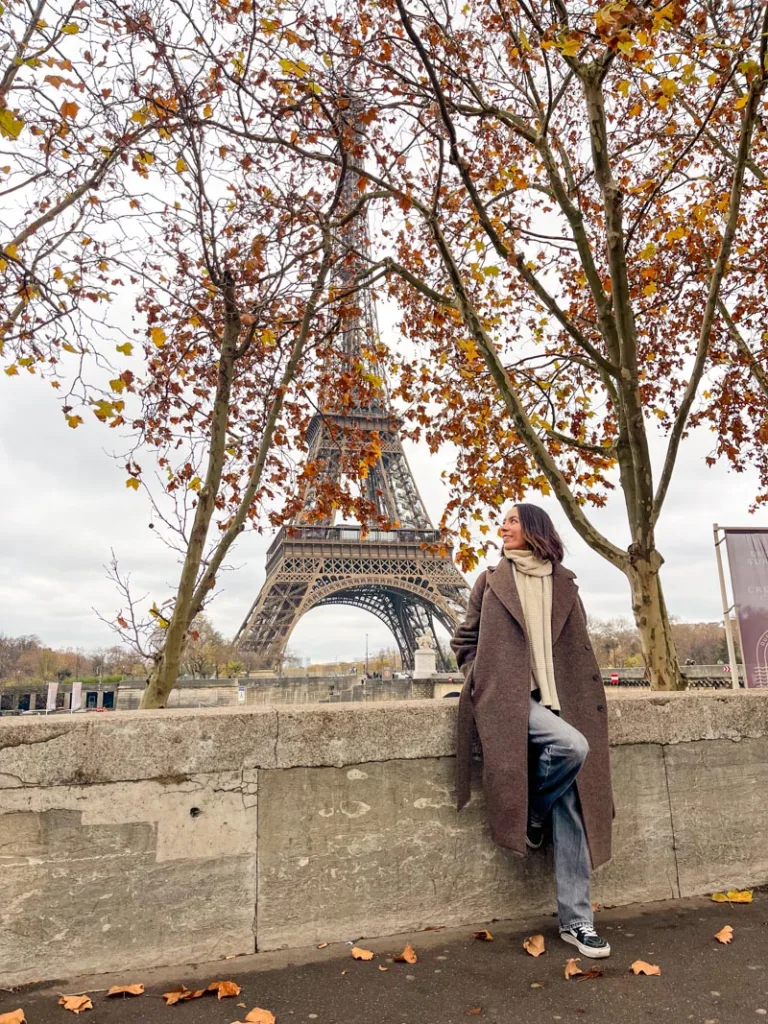
Paris For First-Timers: The Ultimate Guide
Why visit Paris?
It’s hard to know where to even begin, but for me, Paris is one of those bucket list destinations that truly lives up to the hype.
With historic and beautiful architecture everywhere you look, iconic museums, picture-perfect cobblestone streets, and charming cafés on every corner, Paris really is as picturesque as it looks online.
And I think that if done right, with the right pre-trip preparation, Paris will make anyone fall in love with the city.
If the city doesn’t do it, admiring the Eiffel Tower sparkling at night probably will.


How many days to spend in Paris
Packed with iconic attractions like the Notre Dame Cathedral, the Louvre, the historic cafes of Saint-Germain des Prés, and the bohemian streets of Montmartre, there’s so much to add to your Paris bucket list.
So really, there’s no wrong answer when it comes to how many days to spend in Paris.
You could spend 2 days in Paris if that’s all you have, and this will allow you to cover the absolute essentials.
If you have a bit more time on your hands, 4-5 days in Paris will allow you to tick off the essentials, explore different neighborhoods, stroll the gardens, and generally enjoy a more relaxed pace.
For a deeper dive into the city, a week in Paris will suffice to enjoy the highlights, get comfortable with the city, visit various museums, find hidden gems, and even add a day trip or two.


Essential Paris travel tips
Language:
The language in Paris is French, and while the Parisians have a reputation for being rude to non-French-speaking people, I think this has improved quite a lot in the last couple of years.
With more Gen-Z getting into the workforce, you’ll find friendlier English-speaking people in customer service, besides the general English understanding in heavily tourist areas.
However, learning a few basic French words always helps. Make sure to always say “Bonjour” when walking into an establishment, and “Merci, au revoir” when leaving, and they will already like you more for it.
Currency:
The currency in France is the Euro (€). When it comes to paying, most places accept card payment, but it’s good travel practice to always have some small bills on you, just in case.

Paris layout:
Paris is divided into 20 arrondissements (or districts), spiraling outward from the center like a snail shell, each with its own personality and vibe.
This can get confusing; however, for first-time visitors, you’ll spend most of your time in just a few of these.
An important one is the 1st arrondissement, home to the Louvre, Tuileries Garden, and many of the city’s most iconic landmarks.
The 6th arrondissement (Saint-Germain-des-Prés) is also worth visiting for its elegant streets, historic cafés, and classic Parisian charm.
You’ll definitely end up in the 7th arrondissement to get a closer look at the Eiffel Tower.
And if your physical condition allows, the hilly streets of the 18th arrondissement (Montmartre) are where you’ll find the bohemian district famous for Sacré-Cœur and its artistic vibes.


Moving around Paris:
Depending on the way you travel, I personally tend to walk a lot, especially in Paris, so as a tourist, I would rarely get a transport pass.
Instead, if you’re only taking 1-2 metro rides a day, like I normally do, the most affordable way to move around is by simply getting individual metro tickets, which are €2.50.
To avoid the hassle of always having to stop by the ticket machine, I’d recommend downloading the Navigo app and getting the tickets on your phone.
However, if you prefer to constantly hop on and off a metro to cover more ground within the city, then the weekly Navigo pass might be your best bet. Check all the Navigo ticket fares and options here.

Meal times:
If you want to try the local cuisine, you’ll have to stick to the local meal times.
Lunch hours are between 12 pm – 2:30 pm; restaurants close after that, to reopen for dinner at around 7 pm or 8 pm.
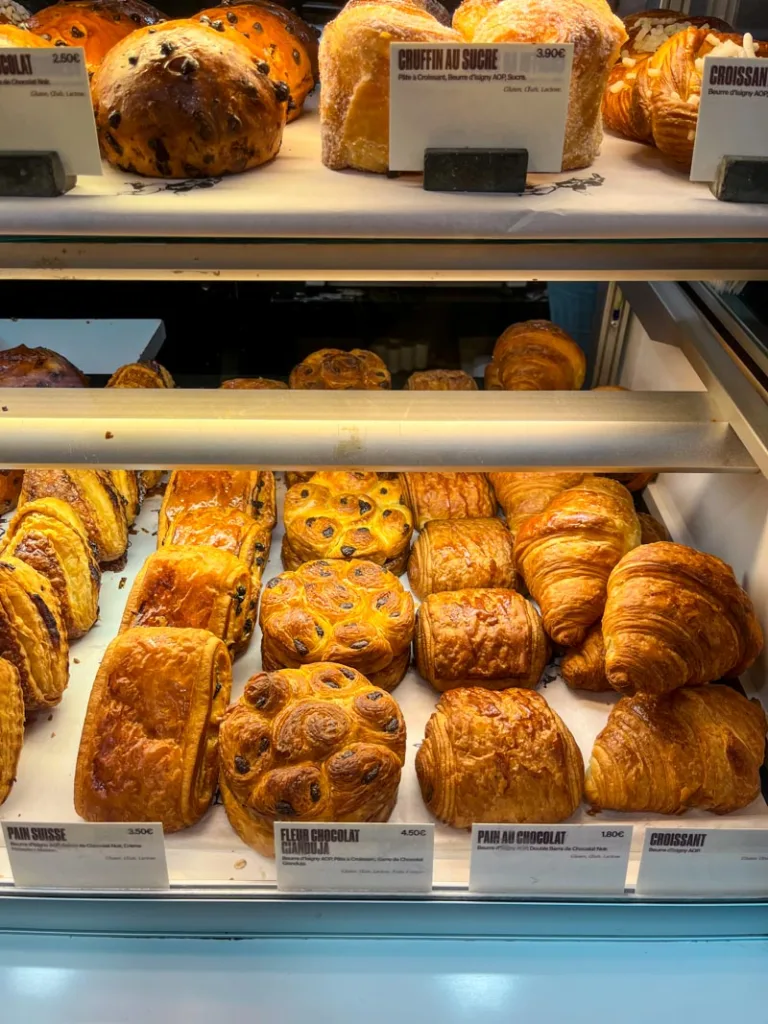
If, like me, you get hungry in between meals, you can always count on a boulangerie to find a snack to keep you going.
Safety in Paris:
Like with any big city travel, it’s always good practice to keep your belongings close to you when on the metro, around tourist attractions, and in any overly crowded area.
For this, I normally like to have a crossbody bag or a full zipped bag when I’m around the city carrying my laptop.
I’ve always felt safe walking around Paris at night as well, but again, like with any big city, just be extra aware of your surroundings.


Getting around Paris
- Walking: The best way to see Paris is by walking. Most neighborhoods are easy to explore on foot, and you can easily get from most main attractions to the others.
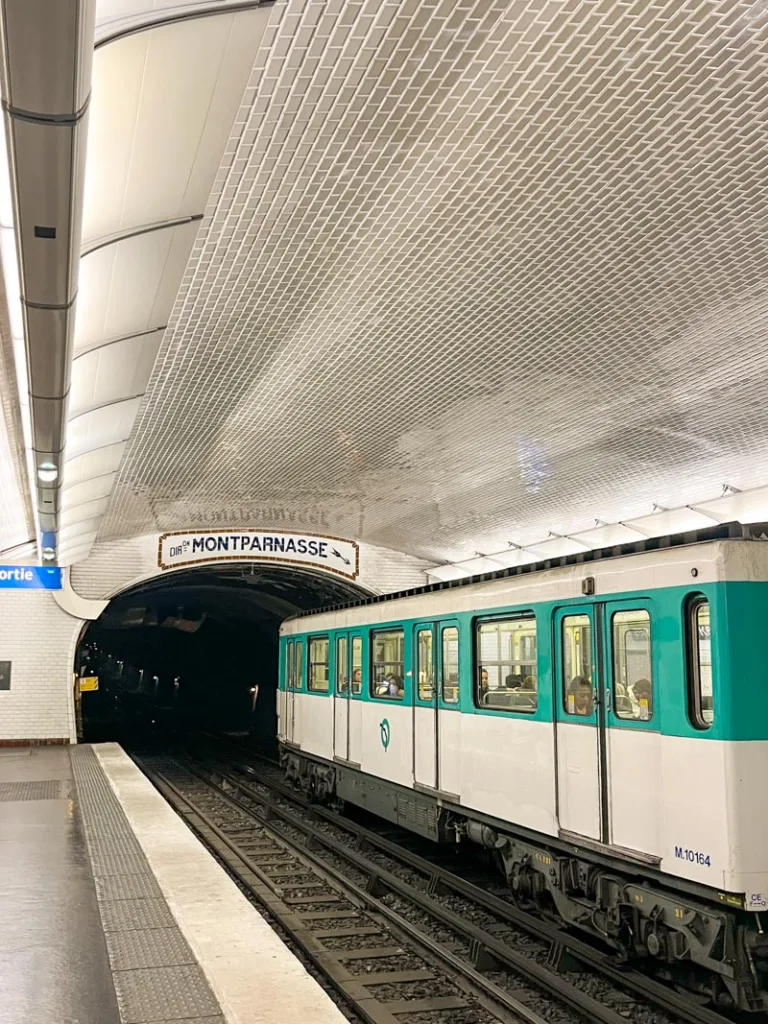
- Metro & RER: Metro is the easiest way to get around Paris, and what you’ll probably use the most. The RER is a faster city train, which is great when going further out of the city. A Navigo pass or ticket will let you use both of these.
- Bikes: If you like bike riding in the city—I’m too nervous for it—you could opt for using the Velib’city bikes. This could be a fun way of getting around and seeing the city from a different perspective.
- Uber: When in doubt, Uber is always at your disposal. A great thing to have available if you have a super early flight or train to catch.
Where to stay in Paris for first-timers
With so many unique neighborhoods to choose from, deciding where to stay in Paris as a first-timer can be tricky.
As with any big city, staying in a central location will make your day as a tourist much more efficient. This way, you can reach all the main attractions faster, and then, if time allows, you can go off the beaten path to explore other fun areas of the city.
Based on this, these are some of the best-located neighborhoods in Paris for first-timers.
Bonus points if you find an accommodation close to a metro station for ultimate travel efficiency.
Best places to stay in Paris for first-timers:
| Area | Vibe | Best For | Cons |
|---|---|---|---|
| Latin Quarter | Lively, historic, student neighborhood | Budget stays, culture, nightlife | Sometimes noisy |
| Le Marais | Trendy, central, full of cafés & boutiques | Fashion & food lovers, local charm | Accommodation not always cheap |
| Saint-Germain-des-Prés | Classic Paris charm, elegant atmosphere | Art lovers, romance, cozy cafés | Slightly more expensive, touristy |

Best time to visit Paris
As the saying goes, Paris is always a good idea.
In my opinion, there’s no bad time to visit Paris; it always delivers. However, the experience will be different depending on when you visit.
So, really, it all comes down to your priorities.
Spring in Paris (March–June):
Here you can expect mostly mild weather, with still some chilly mornings and evenings, if visiting around March.
Visiting Paris in the Spring means arriving just in time to see the city’s many parks blooming, enjoying coffee on outdoor patios, and overall having the most comfortable weather of the year.
Summer in Paris (July–August):
Summer is the best time for having longer days to explore, enjoying open-air events, and enjoying warmer temperatures. However, you can expect lots and lots of tourist crowds.
During August, there will also be fewer locals in town, and many businesses might close, as the whole month is a French holiday.
Fall in Paris (September–October):
Paris in the fall is one of my favorite seasons!
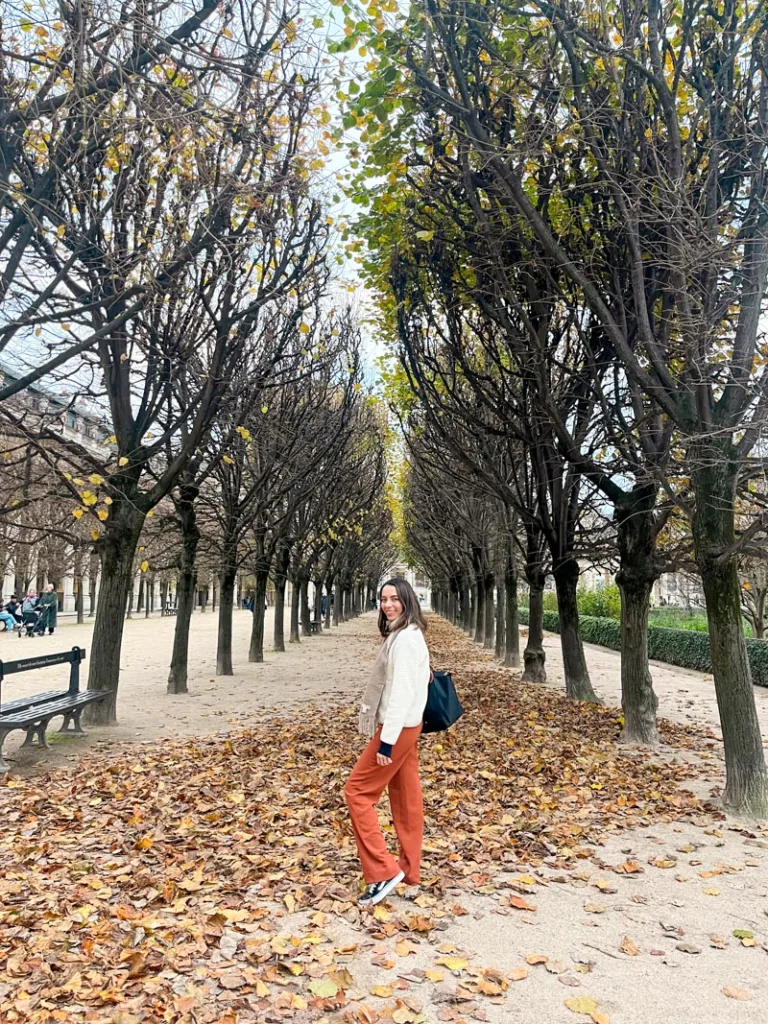
The weather starts to cool off, most tourists are gone, and the locals are taking out their stylish coats, making for some very enjoyable people-watching.
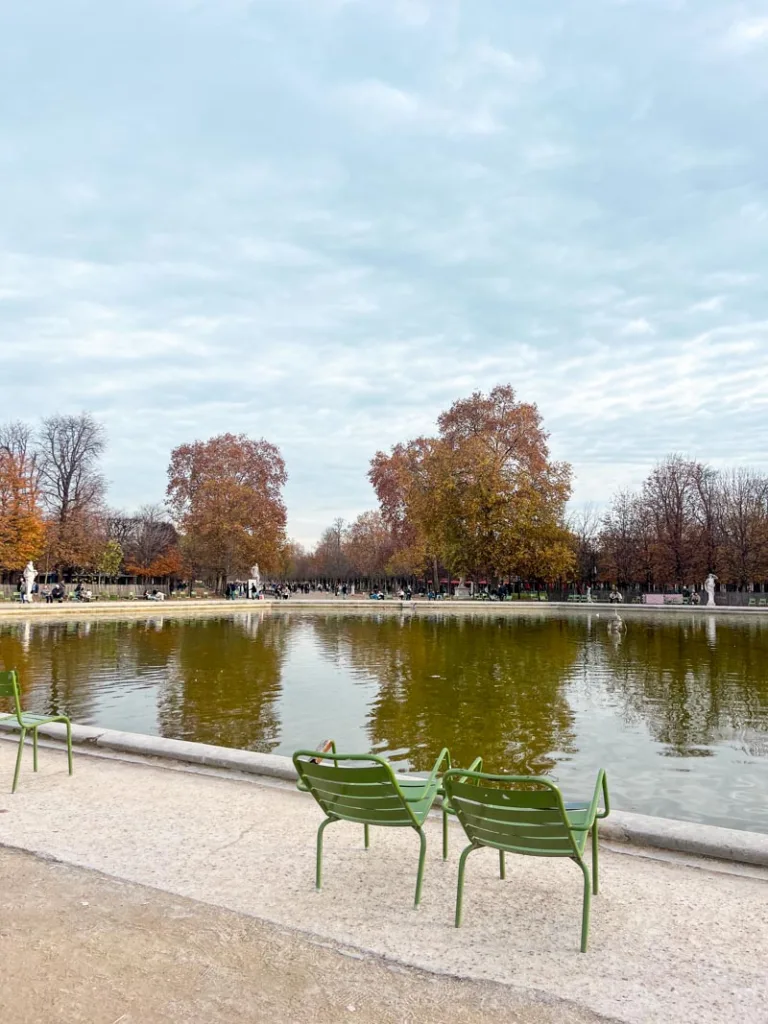
Nothing like strolling through the autumnal-colored, tree-lined promenade of Jardin des Tuileries with a coffee in hand on a crisp fall day.
Winter in Paris (November–February):
For some reason, I mostly end up in Paris in the winter, and honestly, I love it!
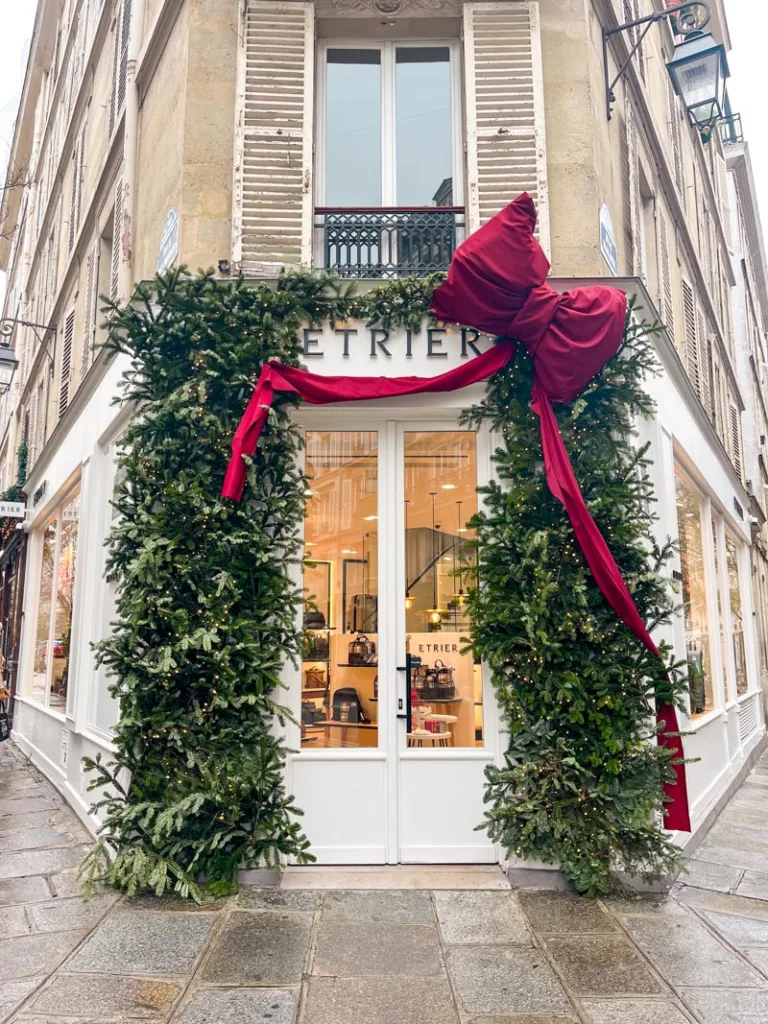
In winter, you get to see a different side of Paris, all dressed up in holiday lights and elaborate Christmas decor—starting in December.
Lines for tourist attractions are a fraction compared to the busy summer months. And the near-freezing temperatures are perfect for bundling up in fashionable wool coats and scarves, while sipping one of Paris’ famous hot chocolates.
One thing to note, though, is that days are much shorter, with the sun setting around 5:00 pm.
Another thing to note is that in winter, you’ll have a higher chance of rain. However, there are plenty of fun things to do in Paris when it rains, so a couple of drops shouldn’t ruin your trip.

Best places to visit in Paris for first-timers
With so many unique things to do in Paris, from iconic museums to charming neighborhoods and great restaurants, it’s a city that could easily keep you busy for months.
However, if we’re talking about the basics and must-dos for every Paris first-time visitor, this is a concise round-up:
- Eiffel Tower: I mean, duh. Whether you admire it from the bottom or book an entry ticket to go to the top of the Eiffel Tower, admiring the city’s icon is a must.
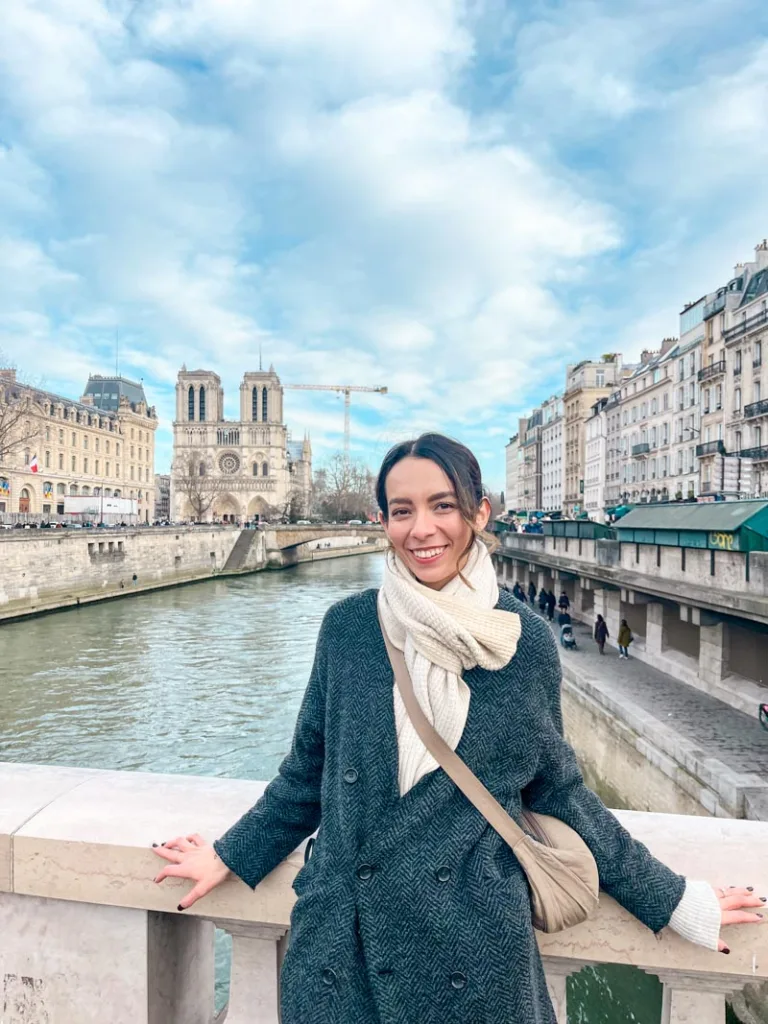
- Notre-Dame Cathedral: Paris’ most iconic church, which has been recently restored after the 2019 fire. Make sure to book your free Notre Dame entry slot in advance!
- Louvre Museum: Even if it’s just seeing the building on the outside. If you only have 2 days in Paris, I wouldn’t necessarily recommend going in, and if, better book a Louvre highlights guided tour for ultimate efficiency.
- Jardin des Tuileries: An expansive central park, one of my favorite places to relax between sightseeing in the city center. Grab a little treat from a bakery, sit by the park fountain, and see the people go by.
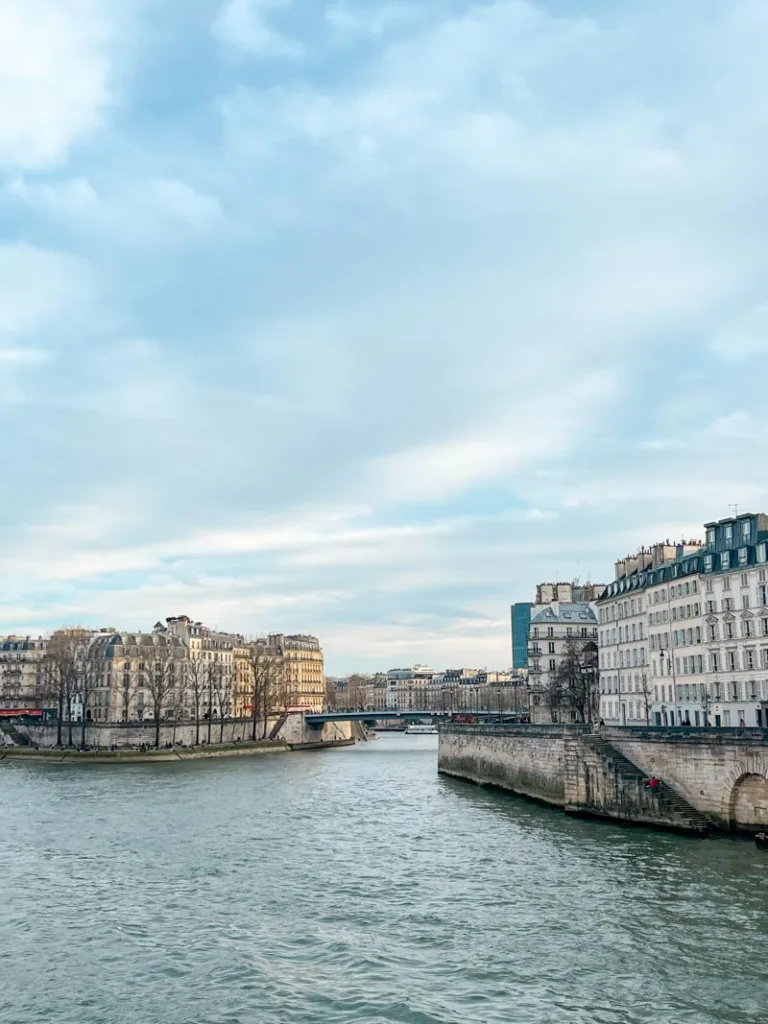
- Wandering along the Seine River: This is just the best! Whichever direction you go, you’ll get an incredible view on either side of the river. One of my favorite things to do in Paris, on any given day.
- Montmartre: Historic bohemian neighborhood filled with art galleries and studios, charming cobblestone—and quite steep—streets. From the Sacré-Coeur viewpoint, you can get panoramic views over the city.
- Le Marais neighborhood: A great neighborhood to get a more local taste of Paris while still being quite central. Great for boutique shopping, having lunch at a local brasserie, or having a coffee at one of the best specialty coffee shops in Paris.

Where to eat & drink in Paris
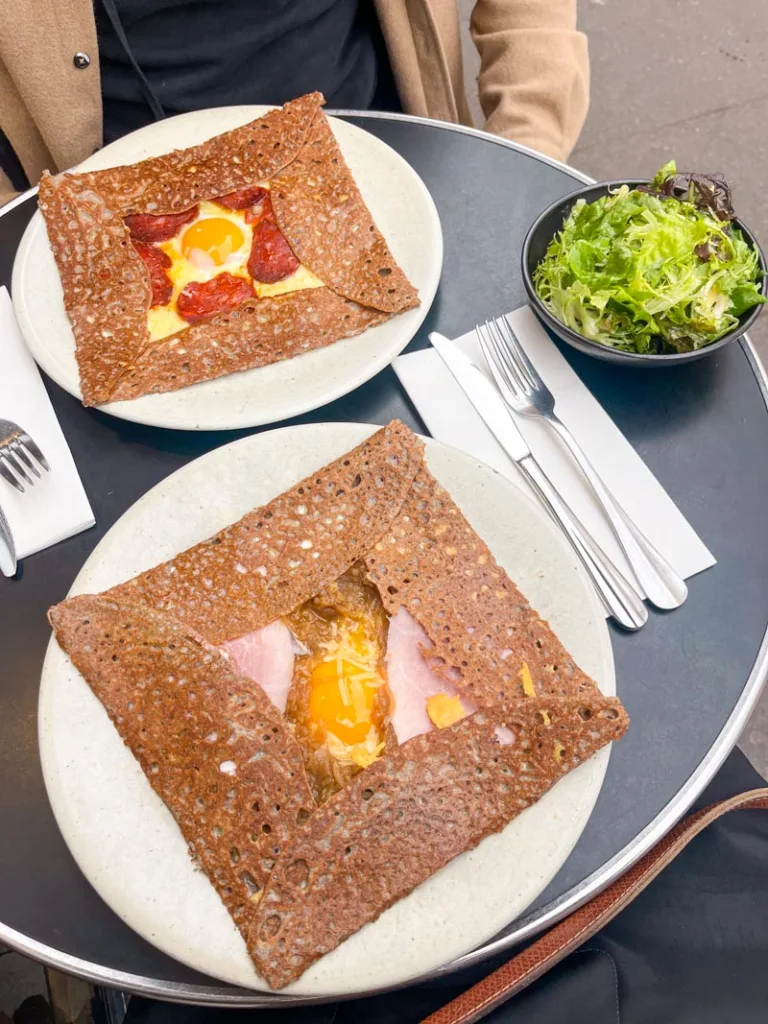
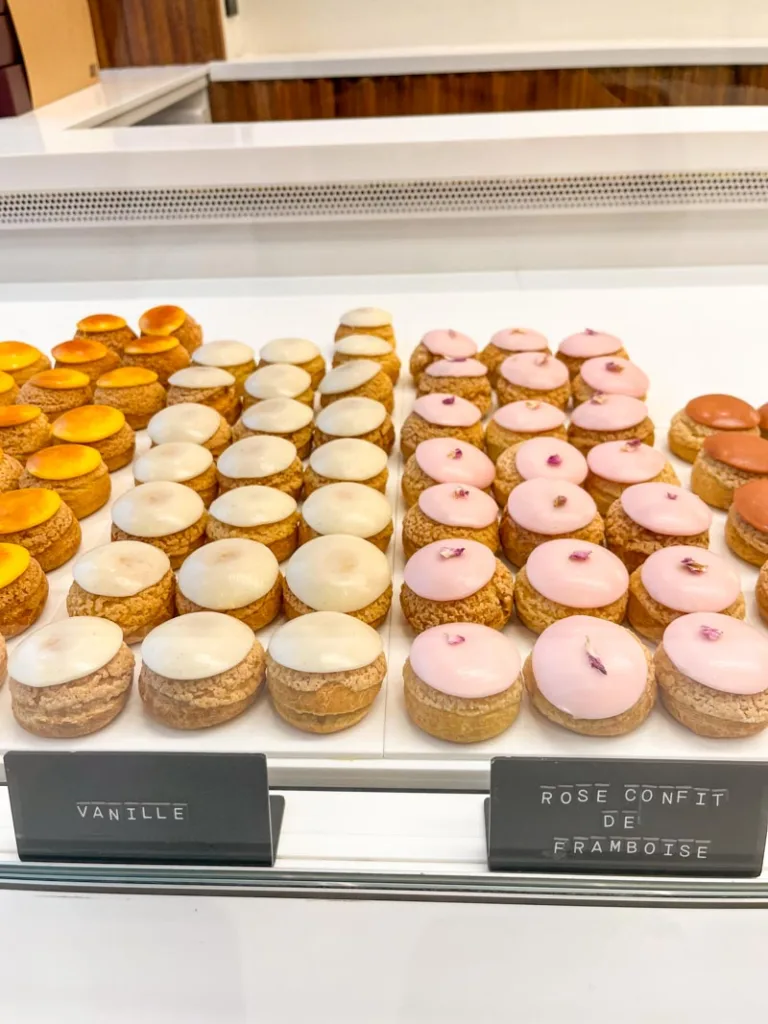
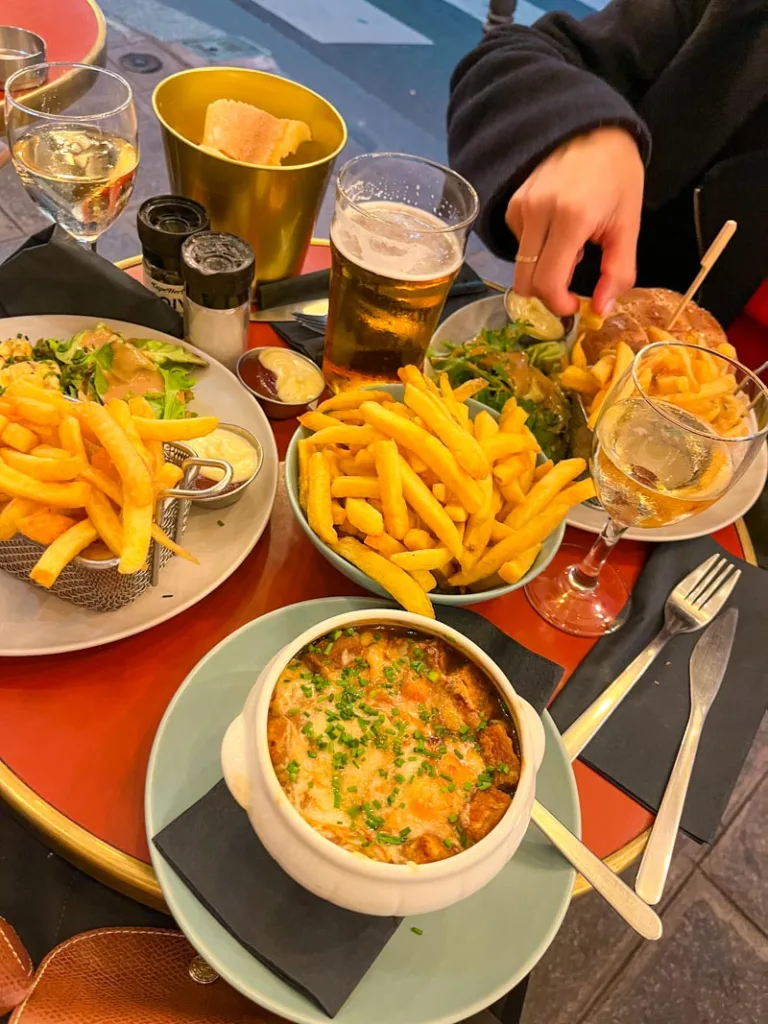
The beauty of Paris is that you can find almost anything when it comes to food, from incredible French spots to all kinds of international cuisines, Michelin-starred meals, and delicious, cheap eats as well.
If you know me, you know I love food—it’s one of my favorite parts of travel. So, this is a concise summary, to not overload you, of my favorite spots for food and drinks in Paris:
- French Breakfast: Almost any bakery will do, it’s Paris, after all; however, some top-rated bakeries to check out are: Copains, Du Pain et des Idées, and The French Bastards.
- Brunch: If you need a more substantial meal, some of my favorite brunch spots are Eggs & Co. and Coutume Babylone.
- Lunch: For a casual and affordable lunch, visit local boulangeries for sandwiches and salads, or creperies for a warm lunch. My top ones are: Le Breizh Cafe and L’atelier Artisan Crepier.
- International casual bites: For a quick snack while in the city center, stop by Omosubi Gonbei for delicious onigiri, or L’as du Falafel for a filling pita.
- Dinner: For a casual dinner, visit local brasseries. One of my favorite ones is Le Balto. For iconic steak frites, line up early at any Relais de L’entrecote location. For an authentic French dinner menu, make a reservation for Le Bizetro.
- Desserts: For the best macarons, you have to go for Laduree, try Popellini for unique-flavored cream puffs pastries, and Carrete for Paris’ famous thick hot chocolate with a whipped cream mountain.
- Drinks: La Grande Cremerie for a cozy wine bar vibe, Cave Vino Sapiens for knowledgeable waiters who can instruct you to try different wines, Francette for drinks with a view of the Eiffel Tower, and any cozy corner café for a glass of wine in a local vibe.
🥐 Check out our foodie guide for a more detailed breakdown on some of the best places to eat in Paris on a budget.
🥖 If you’re on a tight itinerary, one of the best things to do as a traveler is to take a food tour where you get to tick off some of the most iconic local dishes. Check out some of the best Paris food tours here.
Best day trips from Paris for first-timers
If you’re spending 3+ days in Paris, it would be a good idea to fit in a day trip into your itinerary. Some of the best day trips for Paris include:
- Palace of Versailles: A beautiful must-see palace and luxurious gardens.
- Giverny: If visiting in Spring and Summer, I’d jump on the chance to visit Monet’s beautiful gardens. I’m always here in winter, so I still haven’t had the chance, but I’d love to!
- Champagne region: Who doesn’t love Champagne? If you are a fan of bubbles, definitely sneak in a day trip to the Champagne region. I want to take this whole day Champagne guided tour if I’m ever here, not in the middle of winter.
- Disneyland Paris: For my Disney adults who want to check off another park on the list, Disneyland Paris is an easy day trip away with the RER train.
What to pack for Paris for first-timers
While what you pack will obviously depend on the season, here are some non-negotiables for Paris:
- Comfortable walking shoes, no matter the season, you’ll walk a lot!
- A versatile outfit with layers. If visiting in the summer, at least a light layer to throw on in the evenings. In autumn and winter, the whole thing: jacket, scarf, hat. You can always stop by an Uniqlo in Paris to get warmer layers during the trip.
- Power adapter (Type C or E). Don’t want to get to the hotel the first day and realize you can’t charge your phone.
- Power bank. You’ll want to take lots and lots of pictures, videos, and you’ll be using Google Maps a lot, so a power bank is always a good idea to have on hand while traveling.
- Small crossbody bag, so you can safely keep your belongings close to you when walking around.
- A packable umbrella, as Paris’s weather can be unpredictable.
- Phone lanyard, for safety and practicality. I’ve been using one for years now and don’t know how I lived without it before.


Final thoughts on Paris for first-timers
Including essential Paris travel tips, the best places to visit, where to stay, top places to eat and drink in Paris, and more—this ultimate guide has everything you need to plan your dream trip to the city of light!
As a first-time visitor to Paris, I know how overwhelming it can be to start planning a trip to such an iconic destination.
The first step is to get all the basic information together, like we do in this ultimate Paris guide, and then go from there to map out your dream Paris itinerary.
However long you get to spend in Paris, I’m sure it will be a trip you won’t forget. So take your time, soak it all in, enjoy every croissant and every walk along the Seine.
No matter how many times I come back to Paris, I can never get enough, and I really hope you’ll leave feeling the same way after your first trip to this stunning city!
What is the thing at the top of your Paris bucket list? Let us know in the comments.