Last updated on August 8th, 2026
This post may contain affiliate links. If you click through and make a purchase, I could earn a small commission at no extra cost to you. Thanks for your support!
Planning your trip to the incredible South Korean capital and don’t know where to begin? This complete travel guide to Seoul, Korea, will provide all the information you need to know before your trip.
Seoul is an incredibly exciting—and slightly intimidating—city to visit.
With cute coffee shops around every corner, countless Korean street food dishes to try, and unique things to do, the list of fun things to do and explore truly has no end.
However, before sitting down to plan your Seoul itinerary, there are many logistical elements to think about—from how to navigate the city, how to get data in Seoul, and even learn a little bit about local social norms.
After living in Seoul for three months and getting used to the rhythm of the city and the pace of its people, I can now look back and remember all the struggles that I had when I first arrived.
So to save you from that and allow you to fully enjoy your trip to Seoul from the get-go, this post will provide you with all the top things to know before visiting the South Korean Capital.
Covering everything from how to get data in Seoul, how to use public transportation in Korea, where to stay, top places to visit in Seoul as a first-time visitor, best day trips to take, cultural tips, and much more.
So let’s get into it!

A Complete Travel Guide To Seoul, Korea
Why visit Seoul?
After not knowing much about Seoul before moving there for three months for work, I have to say that Seoul truly took me by surprise—in the best way possible.
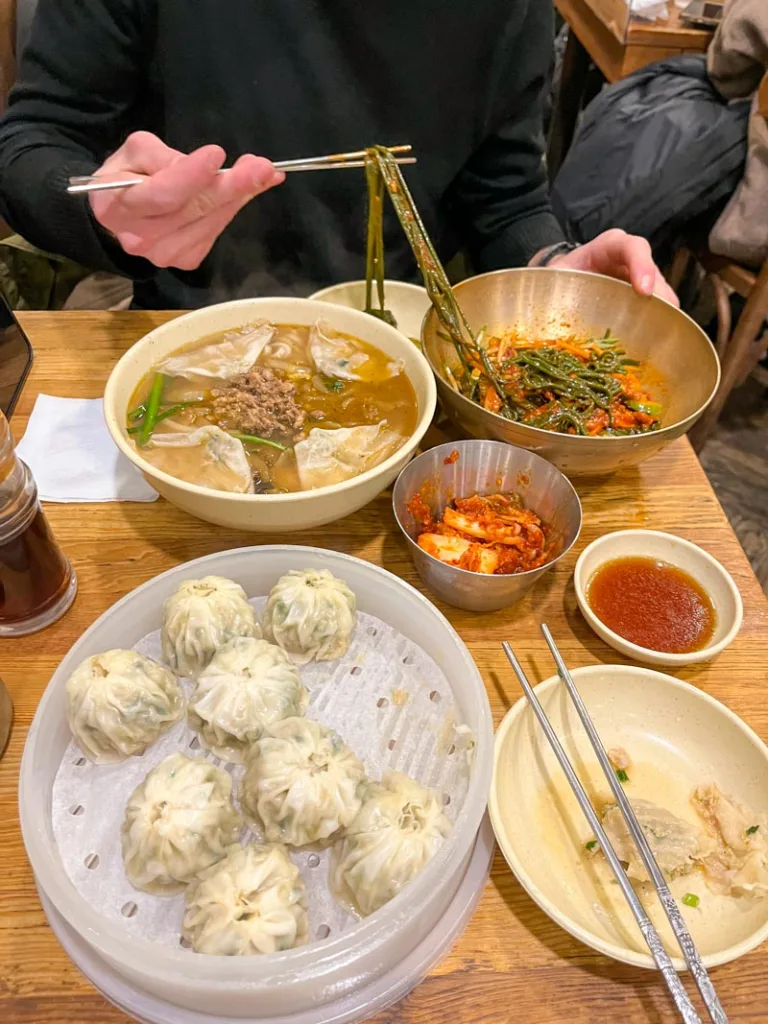
Seoul has everything a big city has to offer, but it somehow feels a bit more slow-paced—cozy even. Visitors are spoiled with plenty of cute neighborhoods to explore, delicious Korean street food to try, and an amazing craft cocktail scene.
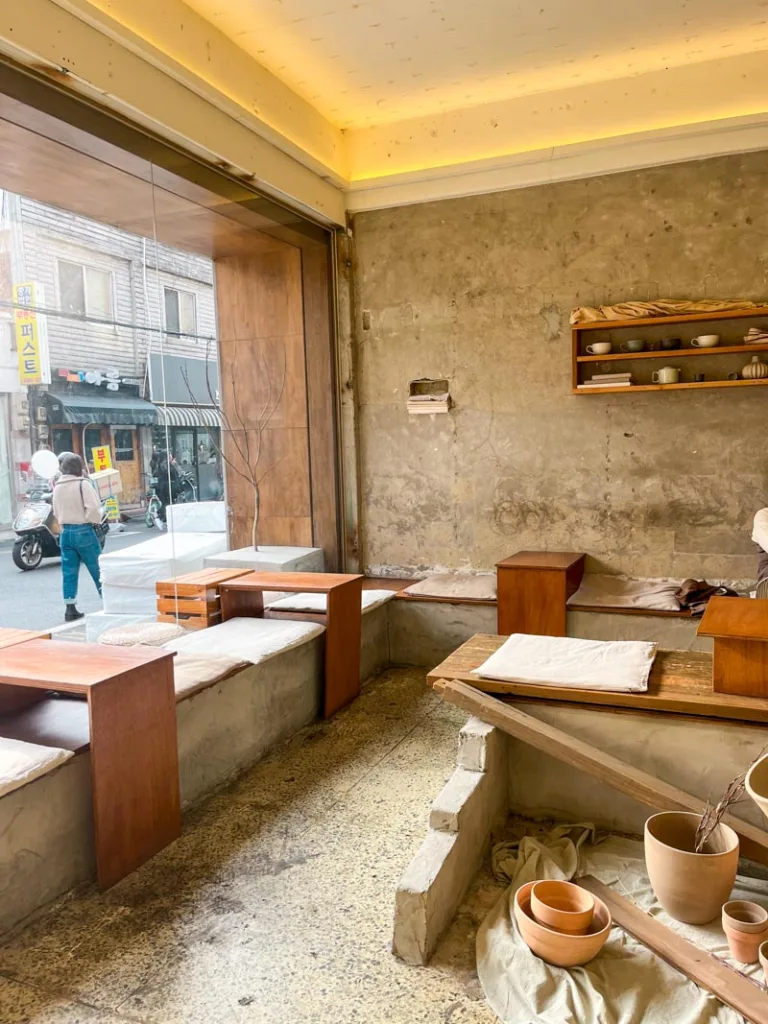
As well as having the most concentrated amount of aesthetic cafes that I have ever seen—a huge bonus point for me!—breathtaking nature just outside the city, rich culture and history, and so much more.
Seoul is a city worth visiting, no matter what type of traveler you are.

How many days to spend in Seoul?
If you’re on a tight travel itinerary and hopping around destinations, 2 days in Seoul are enough to see the top of the top of attractions. Like the Bukchon Hanok Village, the Gyeongbokgung Palace, Myeongdong, and the Gangnam district.
This is, if you’re only checking the essentials off the list before moving on to your next destination.
For a more relaxed experience, 5 days in Seoul gives you enough time to see the main attractions at a calmer pace, as well as some unique, off-the-beaten-path neighborhoods, dive into the Korean skincare world, and even take a day trip out of the city.
(If you’re on a super tight schedule, make sure to check out our 24 hours in Seoul itinerary as well.)
Essential Seoul travel tips
How to get data in Seoul
Right after checking your passport, checking how to get data on your next destination should be step number two of every travel plan.
Whether it’s for writing friends and family back home during your trip, posting on stories, or, like me, checking the reviews of every coffee shop and restaurant I come across, having data while traveling abroad is essential.
Luckily, getting data in Seoul is a very simple thing to do if your phone is compatible with e-SIMs.
During our three-month stay in South Korea, all I used to have data in Seoul in my day-to-day life was an e-SIM data plan from LGU+, which you can get through the Airalo app, and it worked flawlessly!
Check Airalo’s South Korean data plans here:
One thing to note is that to make reservations and order things online in South Korea, you will probably need to have an actual phone number, which you won’t get with a data e-SIM.
But if you’re visiting Seoul for a short period of time, you can probably get by without it. I managed to live like this for three months.


How to pay in Seoul: Cash or card?
Do I need to carry cash in Seoul? The answer is yes; it’s easier to shop from small vendors this way, and you’ll need cash to top up your T-money card when necessary. (We will get into that in a bit.)
Carrying cash also comes in handy as you eat your way through all the tasty Korean street food dishes, as most food stands only accept cash.


Google Maps in Korea
Something that might throw you off a bit as soon as you arrive in Seoul is the fact that Google Maps in Korea won’t work as well as it does in the rest of the world.
Korea uses Naver and Kakao as its main apps for navigation, chatting, booking appointments, and making reservations.
While every blog recommends downloading those two, I honestly did not find them very useful during my three-month stay in Seoul; in fact, I rarely even opened them.
Naver and Kakao Maps are what locals use for maps, so it’s also where you will find the most accurate local reviews of businesses.
However, the Naver Maps English option is nonexistent unless a business has an English name. Everything in the app will be displayed in Korean, which makes it impossible to find anything on their maps, the same as Kakao.
And Kakao, I found even more confusing.


So during the three months that I lived in Seoul, I just used Google Maps like normal to get places, as the public transportation directions work as normal on Google Maps to get from point A to B.
However, the walking directions on Google Maps don’t work at all, so if I knew I was not too far from the place I needed to go, I would just follow my blue dot on the maps and guide myself there—and that worked pretty well.
Much better than spending quite a few minutes stressing on Naver maps trying to find something on the map in Korean.

Cultural etiquette: Manners and personal space
If you ask me if there’s anything that I didn’t like about Seoul in general, there’s only one thing, and that’s the concept—or lack of—personal space and general manners.
While walking in the city, and especially in the metro stations, it’s not uncommon to get strongly bumped into by Koreans with absolutely no remorse or second thoughts.
I was shocked about this, and honestly, really, really annoyed, but don’t let this put you off.
Talking to a local friend, I asked her about this and if maybe this was happening because I look foreign. She informed me that this was not the case and that this behavior is something that is more typical of older generations, with younger generations disapproving of it.
So if this ever happens to you while exploring Seoul, just know that it’s nothing personal and that they do it to everyone.
Even though I got quite annoyed at this behavior, the number of amazing experiences we had with locals far outnumbers the bad ones. Mostly with younger people willing to help us in English whenever they saw us struggling with all types of machines, whether it was at the metro or at the ordering screen at restaurants.


Getting around Seoul
How to use transportation in Korea: T-money card
Okay, now we know how to find the directions to get from A to B. How do we actually move around while visiting Seoul?
To use public transportation in Korea, you need to get a T-Money card from the GS25 convenience store and load it.
The T-Money card is what you’ll use to tap in and out of metros and buses in South Korea.
When you buy the T-Money card at the GS25, it’s good to load it right away, and for this, you will need cash. The same applies if you decide to load it at the machines at the metro stations.
The T-money card also functions as a type of debit card around the city. You can use it to pay for things at convenience stores, vending machines, and some establishments.
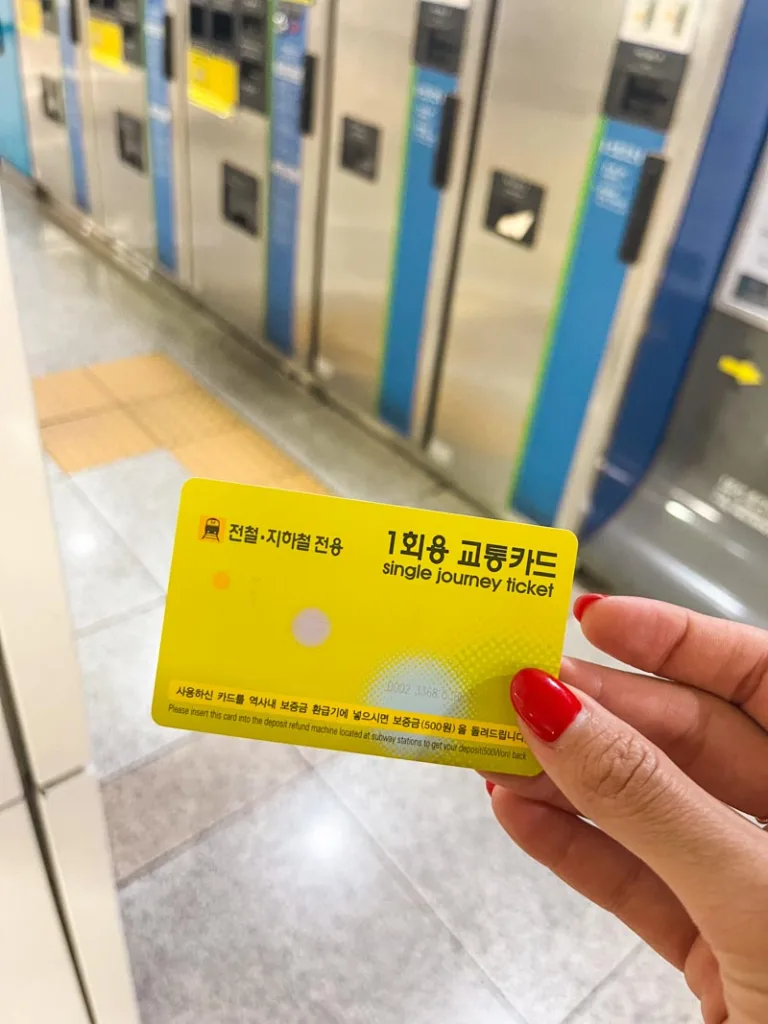
⭐️ Reusable one-time ticket: If you forget or lose your T-money card and don’t have the time to go buy a new one, you can always buy a reusable one-time ticket/card at the metro machines. Just remember to return the card after exiting the gate to receive your deposit back.
Using the metro in Seoul
The public transportation in Seoul is straightforward, with all the metro lines being well-connected.
This makes it very easy to change lines when necessary, and it’s also a very affordable way to get around the city, as changing lines won’t add any extra fees—I’m looking at you, Tokyo…😒
Every metro station in Seoul also has public bathrooms; some have lockers for safely storing your belongings for the day, and you’ll also find vending machines on most platforms with drinks, snacks, and even books.
So whatever you need, you’ll probably find it in a metro station in Seoul.


Is there Uber in Korea?
Yes, there’s Uber in Korea, and it’s actually way more affordable than in your average North American city!
As soon as you open the Uber app in Korea, you’ll see it update itself to the Korean version, but everything in the app works as normal.
The only thing to keep in mind is that occasionally the driver might have trouble getting the address from the app. In case this happens, it’s always good to have the address of your destination ready on your phone to show them in the Korean alphabet in Google Maps.
🚕 Taxis: If you’re trying to catch a taxi on the street, a good thing to know is that a green light on top of the taxi means the taxi is taken, and a red light means it is available.

Where to stay in Seoul for first-timers
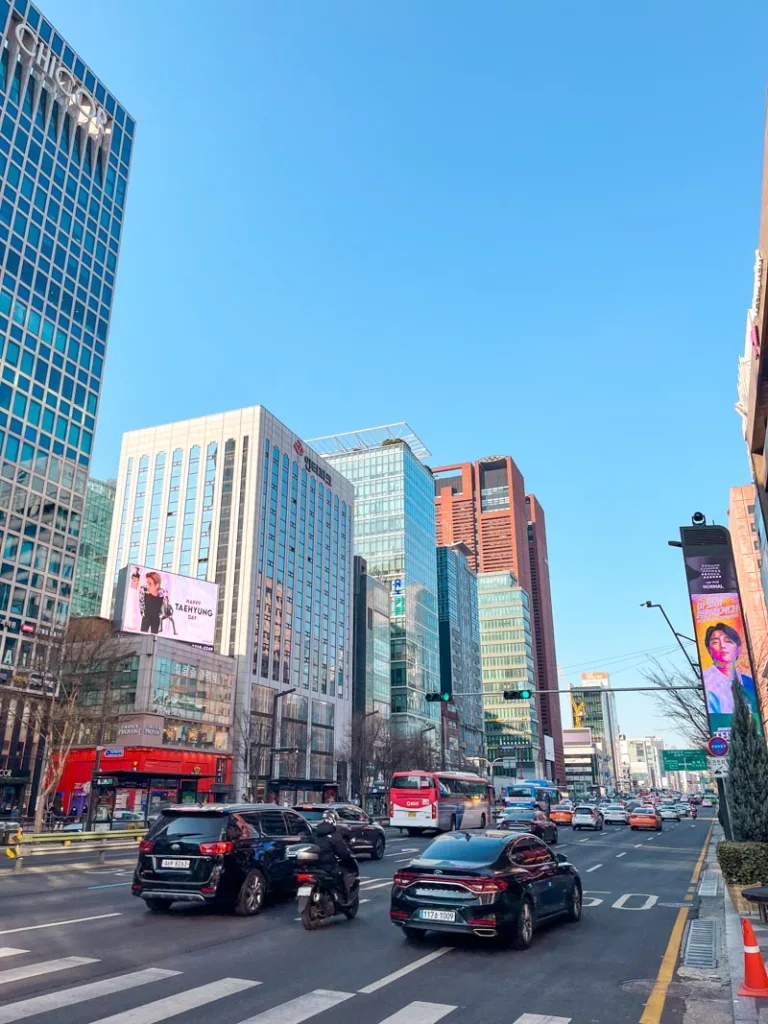
One of the things that I love most about Seoul is its big city feel with numerous fun neighborhoods to explore, all within a reasonable commute distance. This means you won’t need to spend hours in the metro to get to a different area of the city.
However, it really helps to be well located according to your priorities to be able to explore as much as possible, and that’s why you need to choose wisely where to stay in Seoul.
Here’s an overview of the best districts to stay in Seoul for first-timers:
| Area | Vibe | Best For | Cons |
|---|---|---|---|
| Myeongdong | Busy and lively day & night | First-time visitors, shopping lovers | Can feel crowded and touristy |
| Insadong / Jongno | Traditional, walkable, central | Culture & history lovers | Quieter at night, fewer nightlife options |
| Hongdae | Trendy, youthful, energetic | Young travelers, nightlife, art | Can get noisy, especially on weekends |
| Gangnam | Chic, upscale, business-oriented | Modern Seoul, shopping, K-pop fans | Hotels can be pricey, less historic charm |
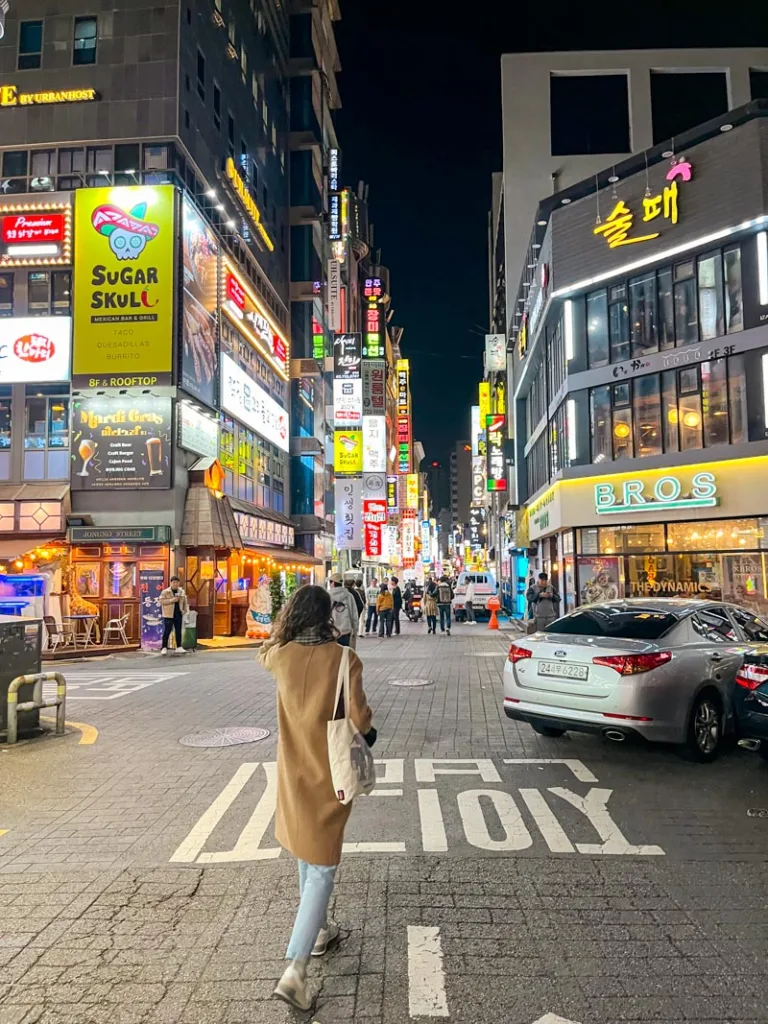
During my three months in the city, I was based in Insadong, a neighborhood in the heart of Seoul, and absolutely loved it!
Being just a few steps away from Gyeongbokgung Palace, the Bukchon Hanok Village, and the Insadong Culture Street, I consider Insadong to be one of the best areas to stay in Seoul for first-timers.
And every single local I talked to who asked where I was staying made a point to say that that was one of the best areas to be in to experience all of Seoul.

Best time to visit Seoul
While Seoul is an incredible destination, it definitely has specific seasons that are more welcoming than others.
With very harsh and cold winters—we were there through December and part of January, and I could barely feel my face—and very humid summers, the most pleasant times to visit Seoul are in the fall and spring.
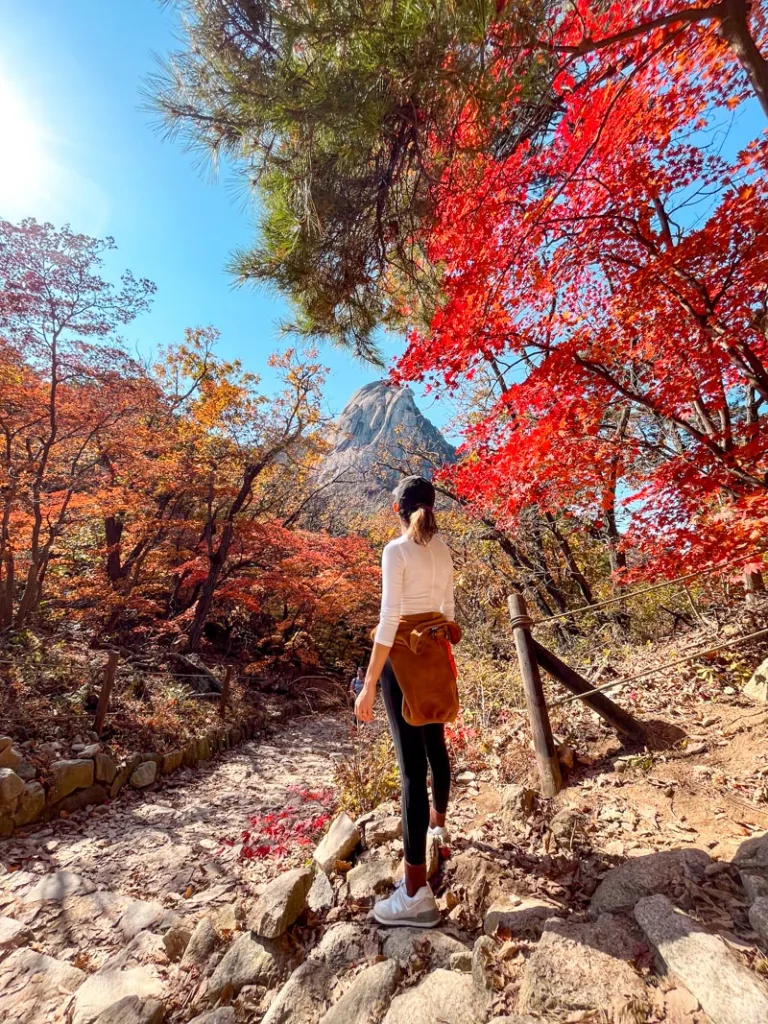
Seoul in autumn means vibrant Ginkgo trees lining the streets, minimalist-cool Korean fall fashion, perfect soup weather, and chilly temperatures perfect for hopping around in search of the best coffee shops in Seoul.
As spring arrives in Seoul, all the snow melts away, and along with more manageable temperatures—compared to winter—come the beautiful and fluffy cherry blossoms.
So whether you visit in the fall, you’ll be spoiled with vibrant fall foliage—like peak autumn-vision-board material—or in spring, you’ll be able to witness a sea of tiny white fluffy petals over Seoul’s parks.
Both options sound pretty great to me!
Best places to visit in Seoul
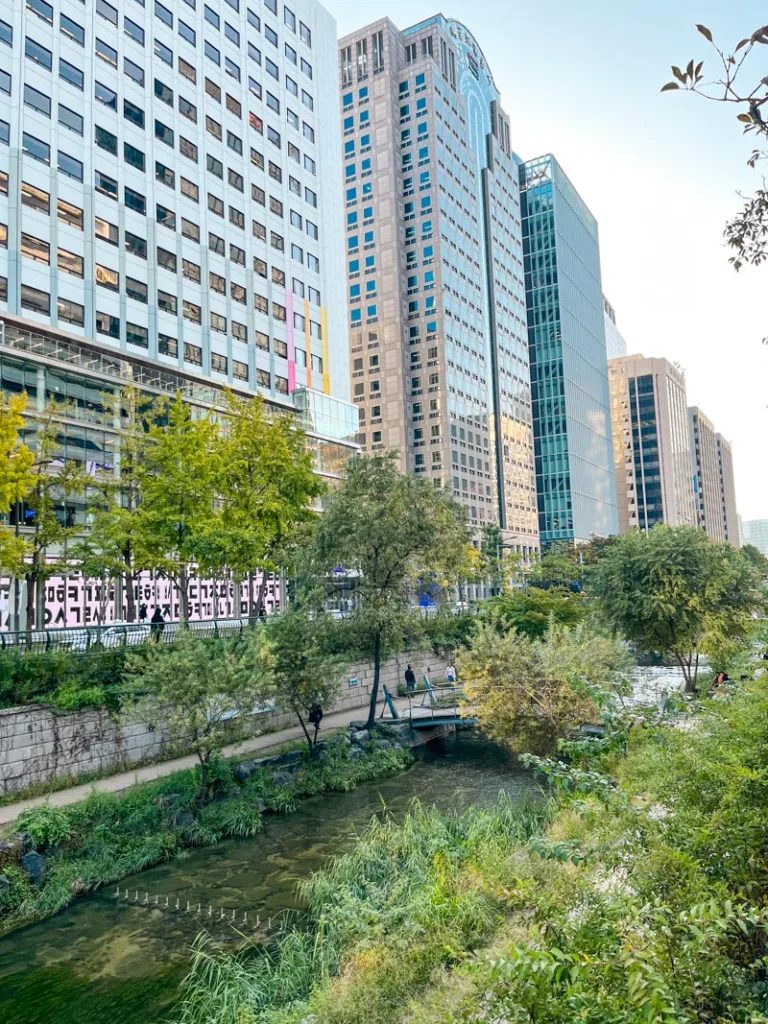
Seoul is a buzzing city with an endless supply of fun things to do, great places to eat, and historic palaces to visit, but to give you a good base, these are the best places to visit in Seoul that you cannot miss:
- Bukchon Hanok Village: A must-see neighborhood packed with beautiful hanoks, traditional Korean houses.
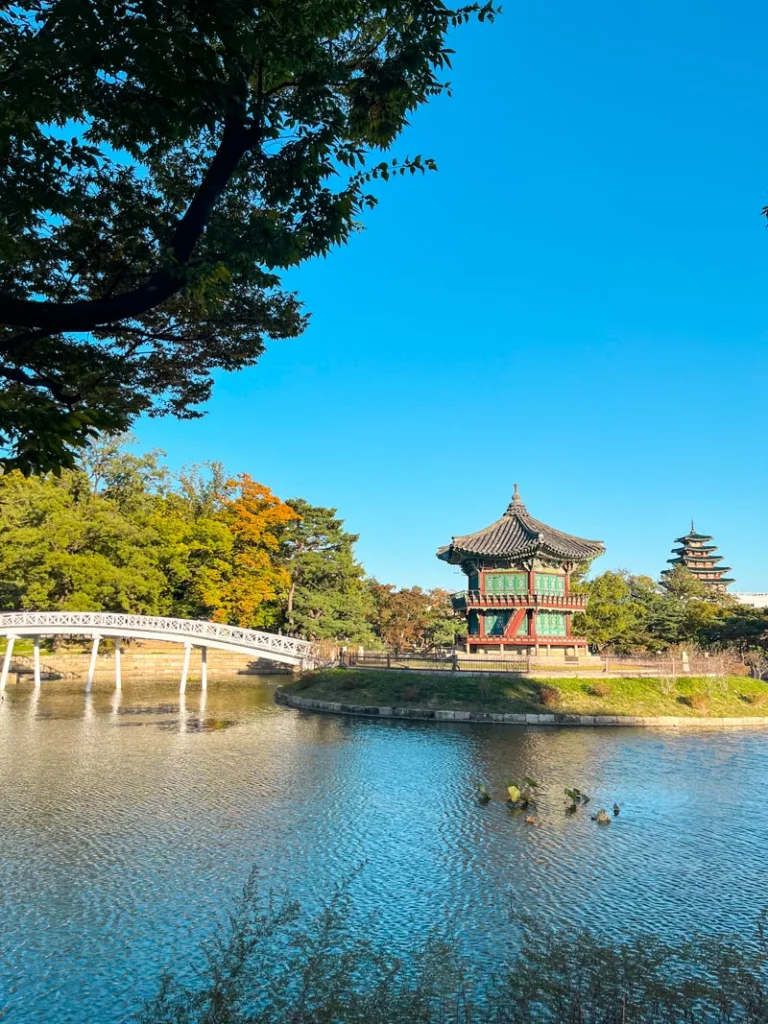
- Gyeongbokgung Palace: The biggest and most beautiful palace in Seoul.
- Gwangjang Market: One of the best places to eat in Seoul—a must-visit spot for foodies.
- Insadong Street: Wide pedestrian street lined with boutiques, souvenir shops, art galleries, and more.
- Myeongdong Night Market: Great shopping during the day, and delicious Korean street food at night.
- N-Seoul Tower: A city icon and one of the best viewpoints in Seoul.
- Gangnam neighborhood: The businessy side of Seoul, packed with great shopping, dining, and beauty treatments.
- Muse Clinic: Looking for unique things to do in Seoul? How about a facial? Try the hydracial here; I did it a few times and loved it!

Best day trips from Seoul
If you have enough time in Seoul to have a little getaway, these are the best day trips from Seoul that you should consider:
- Bukhansan National Park: A gorgeous park to hike, especially in the autumn.
- Nami Island: One of the best day trips from Seoul during autumn, as the place turns into a fall vision board of bright red leaves and squirrels hopping around.
- DMZ tour: The perfect day trip for history buffs who want to learn more about Korea’s history and see the war tunnels.


Final thoughts on the travel guide to Seoul
If I’m being honest, Seoul is such an intimidating city to visit as a first-time visitor. Most people don’t speak much English, and you cannot really read anything… but that’s what makes it so fun and freeing.
It truly reminded me of being a kid; you feel so out of place, but in the best way possible—if that makes sense.
It’s so different and foreign that it makes it so much more exciting to explore, because there is so much to learn and take in.
Seoul is just a very special destination, and I loved that we got to live there for three months to be able to soak as much of it in.
If you were nervous planning your trip, I hope this travel guide to Seoul helps you feel more at ease, and I hope it provides you with all the information you need before your trip to this unique destination.
Is there any other burning question that I forgot to answer in this post? Please let me know in the comments so I can make this post as useful for you as possible.
Save this Seoul travel guide for later!
Your future self will thank you.